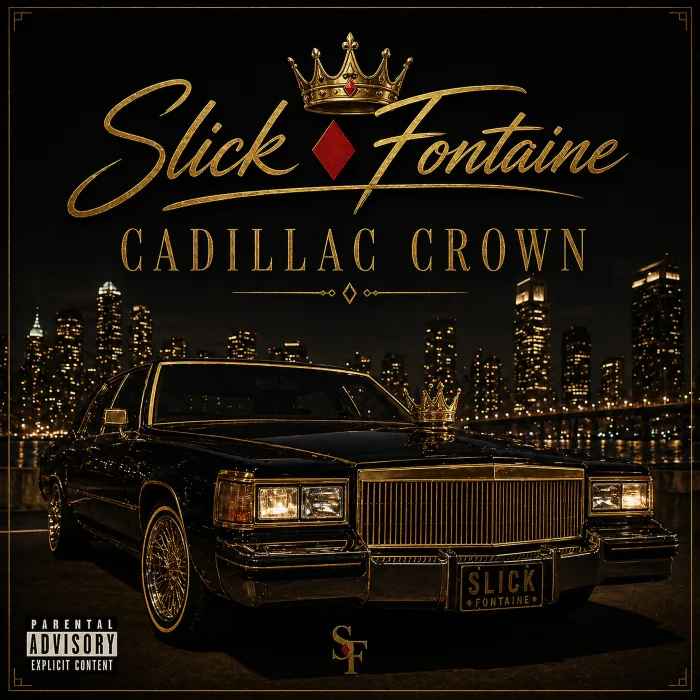
Chapter II · chrome
Cadillac Crown
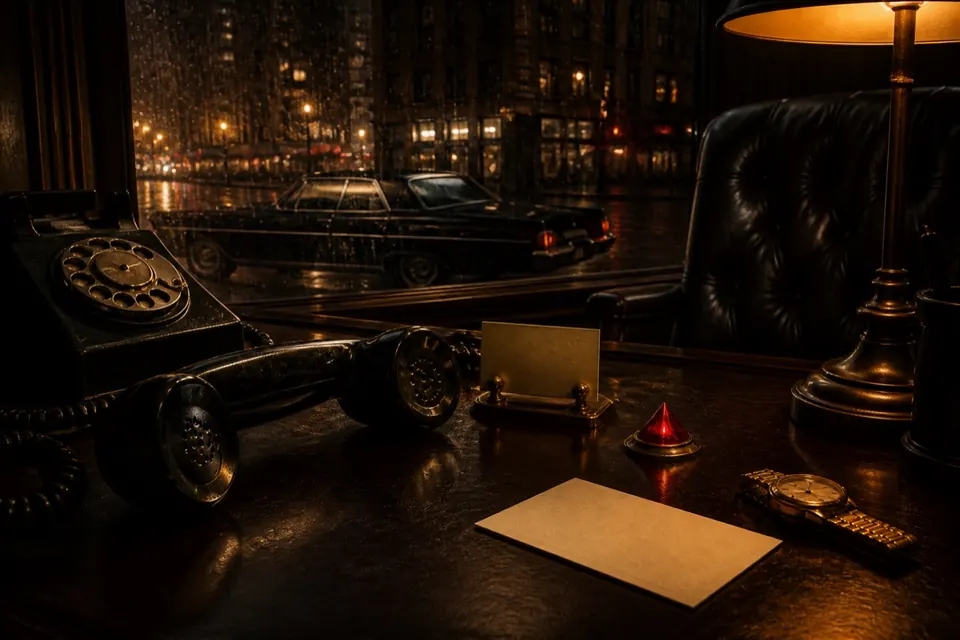
The right car. The right neighborhood. No explanation required.
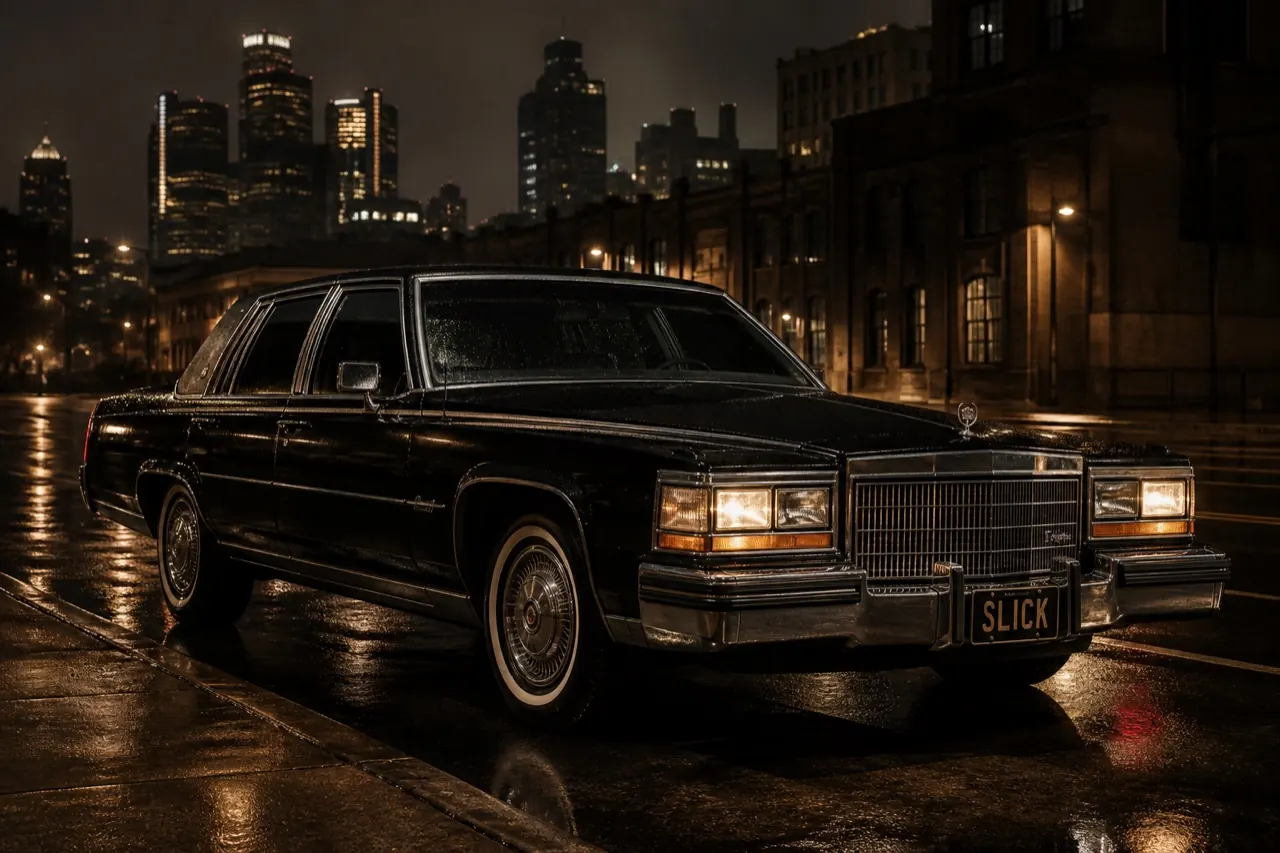
Detroit-born funk, soul, rap, and spoken storytelling. Bass under velvet. Cadillac in the rain. Ten records live now.
“If the bass don't tell the truth, the lyrics ain't saving you.” — Slick Fontaine
Stay in the room, or open the record on SoundCloud whenever you want the full platform.
Putting the record on.

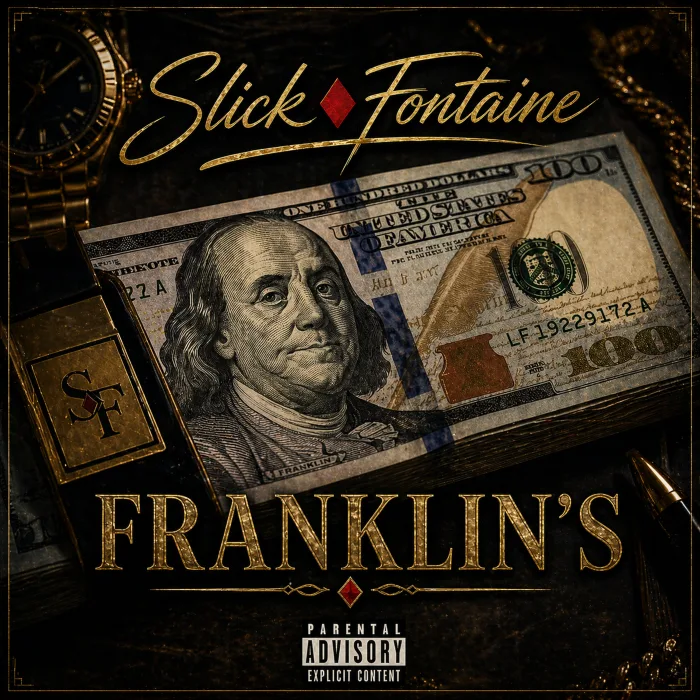
The title track. The thesis statement.
“I ain't back. I'm finally on time.”
Put this one on without leaving the room. Then decide which chapter, story, or phone call comes next.
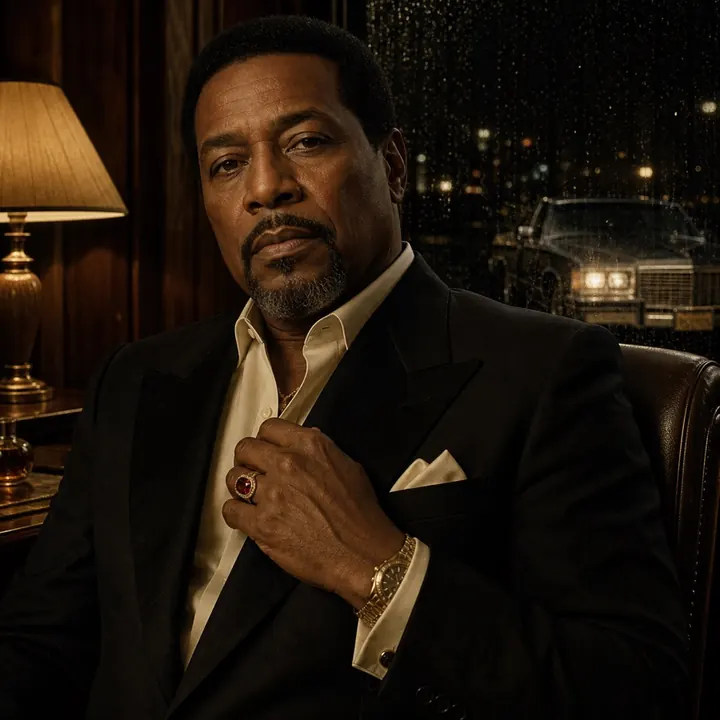
Born on Detroit's west side. Raised around rooms where timing mattered more than volume.
Funk, soul, rap, and spoken storytelling with Cadillac weight underneath it. The records are fictional. The Detroit detail, the musical intent, and the invitation to talk back are the point.
“Holding attention is not the same as having something worth saying.”Open the full file
Direct line · Detroit · the number is live
The line rings. Slick picks up, turns away, and leaves the next move to you.
Chrome, memory, weight, or Detroit pressure. Play one here, or open the full ten-record sequence.
♦ All ten chapters
The right car. The right neighborhood. No explanation required.

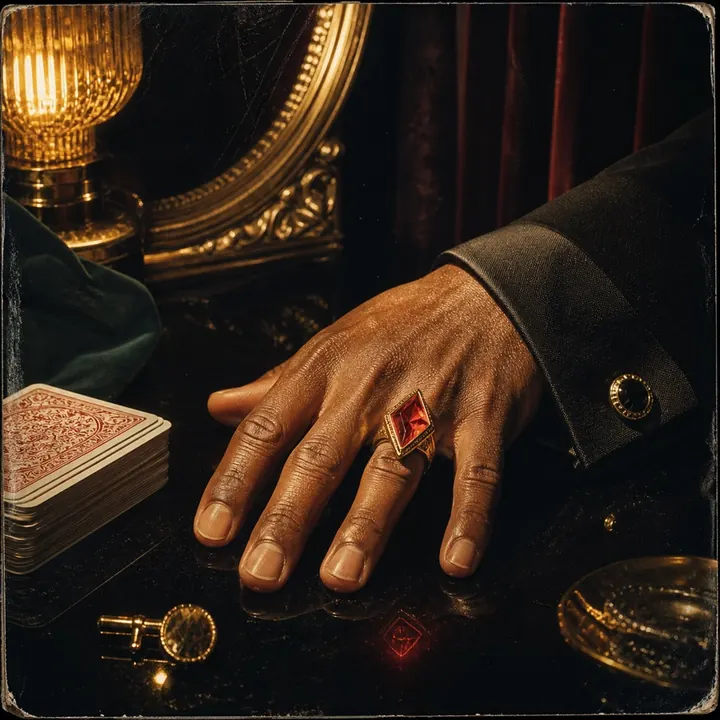
Some rooms never leave. Some nights stay in the lining of the coat.

Nobody said it would be light. He picked it up anyway.
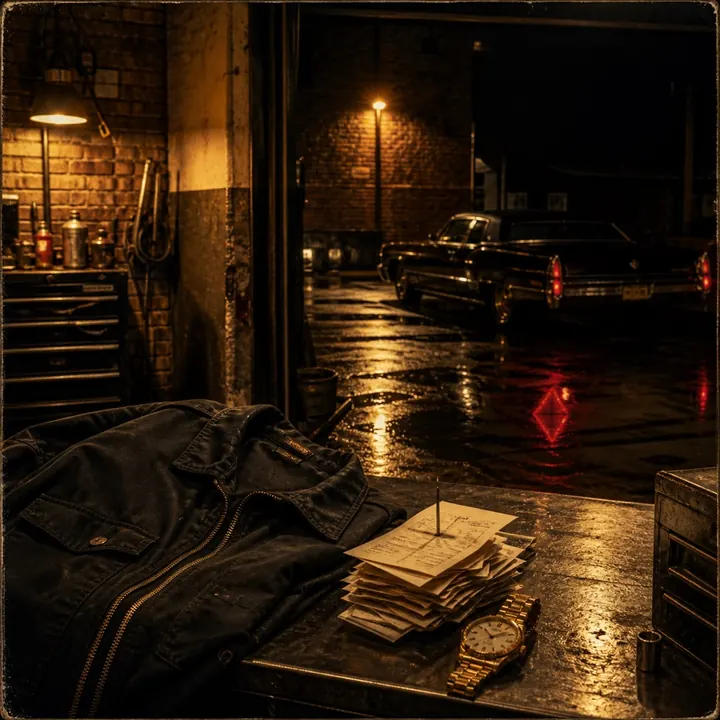
The city, the shop, the parking lot. He knows exactly what he owes.
Three pieces of the world. The rest is there when you want to go deeper.
That depends on who's asking.
To the city, he's a name that moves through rooms before he does. To the music, he's the sound Detroit keeps producing when it's not trying to impress anybody. To the people who know — he's the real thing.
Born Solomon Franklin Fontaine at Henry Ford Hospital on November 8, 1972. Raised on Detroit's Old West Side, with Midwest-Tireman pressure in the air, he came up in a city that made music the way it made cars — with precision, with intention, and with the understanding that what you built was supposed to last.
Funk. Soul. R&B. Rap. Spoken storytelling. Gospel, jazz, and cinematic color when the record calls for it. Detroit, undiluted. Independent on purpose.
♦ Crooked Staff Records ♦ Detroit, MI ♦ West Side
His mother took him to the records office on a night shift. He was six years old, almost seven. He narrated the filing cabinets like play-by-play. She let him go for an hour before she told him to be quiet. He understood, even then, that the room was listening.
A tailor named Lucien Baptiste took chalk and marked seven places on an ill-fitting suit without asking. He altered it over three evenings. He never mentioned it again. The lesson: "Fit is not about the body. Fit is about intention."
A teacher named Mrs. Odessa Bell watched a sixteen-year-old hold an entire school assembly silent for six minutes without saying anything of substance. Afterward she put him in an empty classroom. She said: "Holding attention is not the same as having something worth saying." He spent thirty years working on that gap.
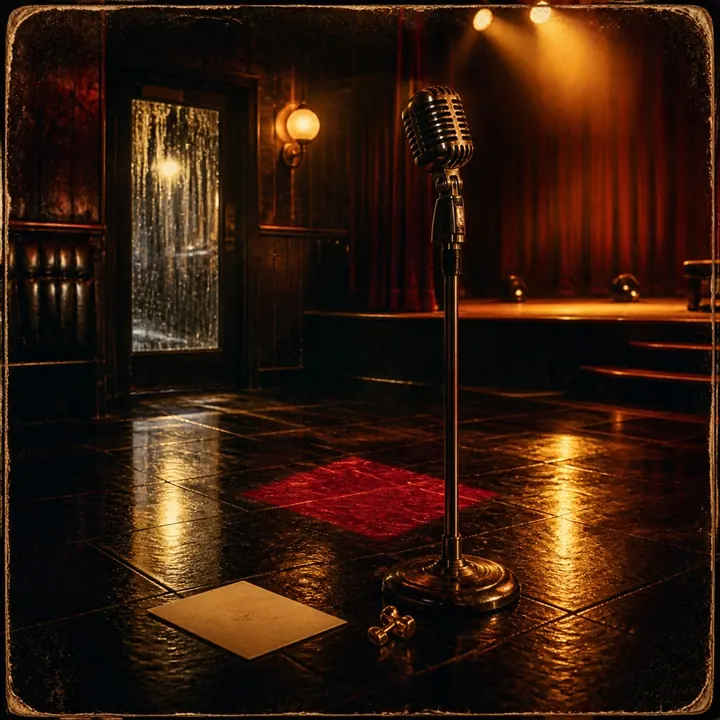
The Night Ledger begins. Spoken storytelling over live funk, soul, and jazz. A small room. A band. A voice that sits just above the bass line and just below the melody. The band called him Professor. The room called him back.
The deal meeting lasted four hours. He came with the tracks. He came with the percentages committed to memory like scripture. He did not come with a lawyer because he did not yet understand what a lawyer was for. He signed nothing. He walked out through the glass door into October. The truck was still there.
Crooked Staff Records. Ten tracks. His own paper. His own clock. He is fifty-three in August 2026. He has been here the whole time. The deal is not done.
There's a version of Detroit that doesn't make the news. The one that runs on loyalty, on late nights, on the kind of music that doesn't ask permission. Slick Fontaine lives in that version.
The city gave him the sound — the grit underneath the velvet, the funk underneath the soul, the hustle underneath the cool. He gave it back in the form of records that sound like the city remembers itself.
Photographs. Documents. Canon fragments.
Evelyn in the choir dress. Isaiah with his hands in his pockets. Solomon watching the street before he had the words for what he was seeing.

Lucien Baptiste marked seven places on the suit with chalk. He altered it over three evenings. He never mentioned it again.
A flyer pulled from a telephone pole near Woodward and Forest after rain softened the ink. Someone wrote REAL in the margin in ballpoint pen.
The meeting lasted four hours. He signed nothing. Isaiah's truck waited at the far end of the lot, engine off, still there when Solomon came out.


Not everything is meant to be found on the first visit.
Slick Fontaine has been in the room longer than most people know.
Born Solomon Franklin Fontaine on Detroit's west side on November 8, 1972, he came up in a city that was making music the way it made cars — with precision, with intention, and with the understanding that what you built was supposed to last. His early work in the late 1980s and early '90s developed a style that was less about performance and more about presence: a spoken storyteller's voice over live music, concerned with the texture of everyday transactions, the weight of small decisions, the accounting of a life.
He called it the Night Ledger. The Royal Palace became his proving ground. He built a room full of people who came not knowing what to expect and stayed longer than they planned. The Night Ledger drew label attention and a deal meeting. In 1995, he signed nothing and walked away from the table.
What came after was not a breakdown. It was a recalibration that lasted almost thirty years. He opened a shop. He kept making music — session work, uncredited. Writing for others. The music never stopped. He just wasn't signing it.
In 2022, at fifty years old, he began assembling what is now a ten-track catalog — music drawn directly from the life he actually lived. He is releasing through Crooked Staff Records, the imprint he runs himself. There is no intermediary, no management layer, no one between him and the decision about when the music goes out into the world.
He is fifty-three in August 2026. He has been here the whole time.
The Night Ledger ran from 1991 to 1995. Spoken storytelling over live funk, soul, and jazz. A voice that sat just above the bass line and just below the melody. The band called him Professor. The room called him back.
CeCe Monroe gave him a Thursday at The Royal Palace early on. She stood at the edge of the bar with her arms crossed and watched. The woman by the door still hadn't left. CeCe uncrossed her arms. She knew what she was looking at.
The Night Ledger earned him a deal. The deal collapsed in 1995. He walked out of the room without signing. Isaiah sat in the parking lot the whole time. He was still there when Solomon came out.
The Night Ledger ended. The music didn't.
Twenty-four years. 1996 to 2019. He is not gone. He is unwitnessed.
He opened a shop. He kept making music — session work, uncredited. Writing for others. The shop was how the craft kept going. The craft was why the shop was worth running. He did both for thirty years.
His sister Lorraine did his books free from a Sunday kitchen table from 1999 to 2008. Nine years. A shoebox of receipts. In 2003 she set a sheet in front of him with four numbers on it. He sat with it longer than she expected. He folded it and put it in his shirt pocket. "Thank you." Not the quick kind. The kind that costs something to say.
In 2019, Isaiah had a health scare. Solomon sat in a hospital corridor for six hours. He decided not to be guessed at. The return began.
Funk, soul, R&B, rap, and spoken storytelling — with gospel, jazz, and cinematic color when the record calls for it. It carries Detroit in the low end, the old neighborhoods in the melody, and the present city in the delivery.
Influences: Detroit soul, funk, Blaxploitation cinema, jazz, gospel, rhythm and blues, rap, Cadillac culture, tailoring, nocturnal city life. A man who has watched Detroit change without pretending the change was simple.
Crooked Staff Records. Independent. On purpose. The sound of a man who knows exactly what he's doing and has decided to do it on his own terms.
Crooked Staff Records LLC. Detroit. Independent. The label that moves when it wants to move, releases when the music is ready, and answers to nobody but the artist and the audience.
He has been in a room where someone else held the paper, and he knows what that costs. There is no other way he would do this.
Slick Fontaine is the flagship. The catalogue is growing. The deal is not done.
— This file has not yet been declassified. —
New records and word from Slick, only when there is something worth sending.

Start with the music. If something sticks, call him.